

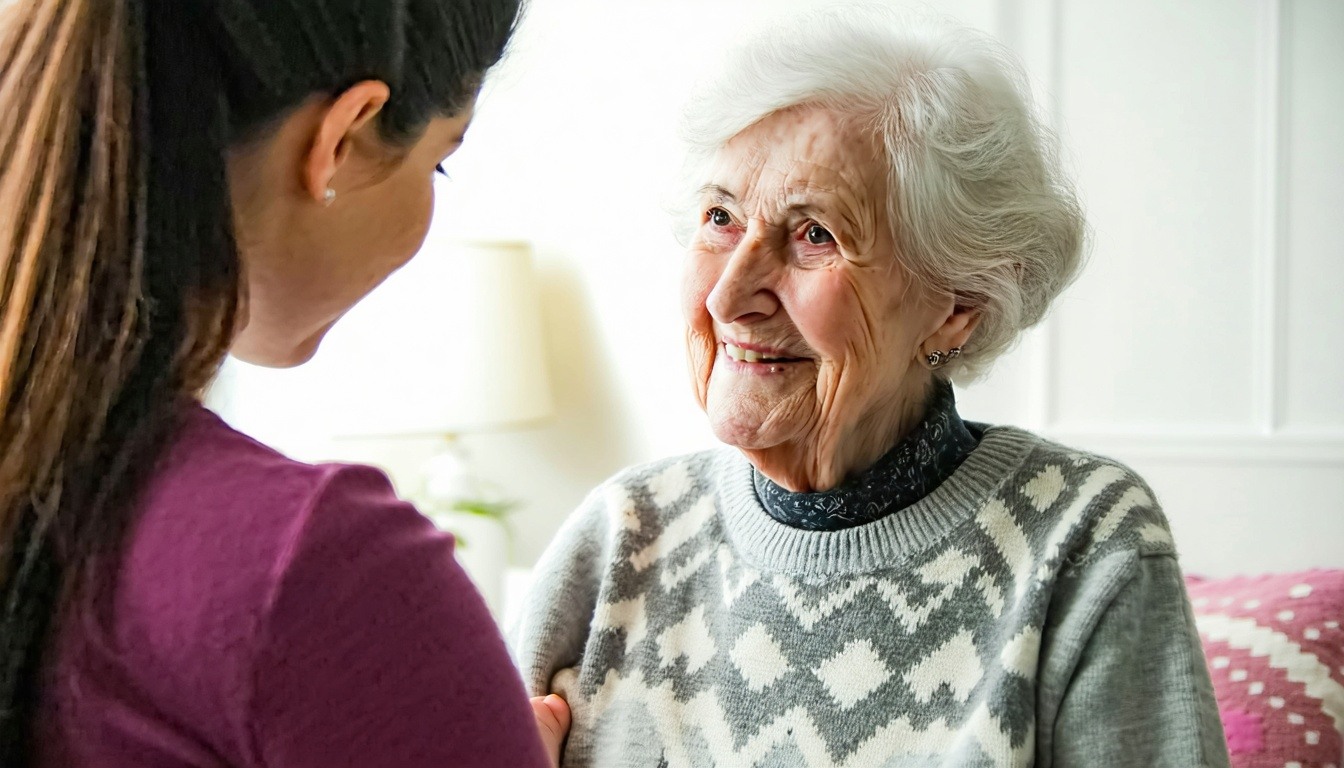
Finding the right care for a loved one means navigating emotional decisions, practical complexities, and the deep desire to honour their dignity and independence.
When the Person You Love Needs More Support Than You Can Give Alone
There's a moment when you realize the person who cared for you your entire life now needs someone to care for them. It doesn't arrive with warning or fanfare. It shows up when Dad forgets to take his medication three days running. When Mum can't manage the stairs anymore. When the person who taught you resilience now needs help getting dressed.
You want to do everything yourself. That's natural. But juggling work, your own family, and full-time care for an ageing parent stretches you beyond what's sustainable. The guilt sits heavy — the sense that you should be able to handle it all, that asking for help means you're failing them somehow.
Arranging care isn't admitting defeat. It's recognizing that your loved one deserves more consistent, skilled support than you can provide alone while managing the rest of life. It's choosing their wellbeing over pride, their dignity over your discomfort with change.
The challenge isn't just logistical. It's deeply emotional. You're inviting someone into your parent's most vulnerable moments — bathing, dressing, eating. You're trusting a stranger with the person you love most. That trust doesn't come easily, and it shouldn't.
Why Every Family's Care Needs Look Different
No two seniors need the same support, even when their diagnoses look similar on paper. One person living with early dementia might need gentle prompts and companionship three mornings a week. Another with the same condition requires round-the-clock supervision because they wander or become distressed at night.
Care isn't a standardized package you order from a menu. It's shaped by medical history, mobility, cognitive function, personality, daily routines, family dynamics, and what matters most to the person receiving support. Your father might prioritize maintaining his morning walk and coffee ritual. Your mother might care most about staying connected to her garden and her weekly book club.
This variability makes arranging care complex. You can't simply call a provider and ask for 'elder care.' You need someone who understands that your loved one is an individual with preferences, history, and dignity — not a client file with a standard protocol.
The best care plans adapt. What works this month might not work next month as health changes, mobility declines, or new challenges emerge. You need carers who notice these shifts and adjust without needing constant supervision or direction from you.
The Gap Between What Hospitals Discharge and What Homes Require
Hospitals discharge patients when they're medically stable. That doesn't mean they're ready to manage independently at home. Your mother might be cleared to leave after a hip replacement, but she still can't navigate stairs safely, prepare meals, or help herself to the bathroom without assistance.
Discharge planning often focuses on medical follow-up — which specialist appointments are needed, what medications to take, when to remove sutures. It rarely accounts for the practical realities of daily life. Who helps with bathing when movement is restricted? Who ensures meals are nutritious and medications taken on time? Who monitors for complications like infection or falls?
This gap leaves families scrambling. You're handed discharge paperwork on a Friday afternoon and expected to have full home support arranged by Monday morning. Finding trustworthy, skilled carers in that timeframe feels impossible, especially when you're exhausted from hospital vigils and still processing the medical information you've been given.
The challenge intensifies when your loved one needs specialized post-hospital care — wound management, mobility support, medication coordination. Not every carer has the training or experience to manage these medical needs safely. You need someone who bridges clinical competence with the warmth and patience your loved one needs to recover with dignity at home.
Finding Care That Treats Your Loved One With Dignity, Not Just Efficiency
Efficiency matters in care. Tasks need to be completed, schedules met, safety protocols followed. But when efficiency becomes the primary focus, seniors get reduced to a list of tasks completed within a time slot. Bathed, dressed, fed, medicated. Next appointment.
Your parent isn't a checklist. They're a person who spent decades contributing to their family and community, who has preferences about how they like their tea, who needs time to gather their thoughts before answering questions. They deserve carers who see them, not just the tasks that need doing.
Dignity shows up in small moments. A carer who makes eye contact and asks how your father slept before launching into the morning routine. Someone who respects your mother's preference to choose her own clothes, even if it takes longer. A presence that feels like companionship rather than clinical service.
Finding this quality of care means looking beyond credentials and availability. It means asking about values, approach, and how carers are trained to honour the people they support. It means choosing a partner who uses language like 'cherished' rather than 'serviced,' who understands that your loved one's emotional wellbeing matters as much as their physical safety.
Building a Care Plan That Adapts as Needs Change
Care needs shift. The light support your mother needs today — help with housekeeping, meal preparation, transport to appointments — might expand next year as mobility declines or cognitive changes emerge. What feels adequate now won't necessarily remain adequate.
Rigid care arrangements create problems when circumstances change. You're forced to start over, searching for new providers, renegotiating terms, introducing new faces into your loved one's life just when consistency matters most. Each transition brings stress for everyone involved, especially for your parent who has to adjust to new routines and new people.
A good care plan anticipates change without predicting every detail. It's built with flexibility, with providers who can scale support up or down as needed, who can bring in specialized skills when medical needs intensify, who communicate openly about what's working and what needs adjustment.
This adaptability requires trust and partnership. You need carers who keep you informed about subtle changes they notice — shifts in mood, appetite, mobility, confusion. You need a care team that views themselves as extensions of your family, committed to your loved one's wellbeing over the long term, not just contracted for a fixed set of tasks.
The challenge of arranging elder care isn't finding someone to complete tasks. It's finding partners who honour your loved one's dignity, adapt to their changing needs, and give you confidence that the person you love is truly cherished.