---
title: The Importance of Personal Care Assistance in Daily Living
description: Personal care assistance preserves dignity and independence at home, transforming everyday moments into opportunities for connection and cherished living.
image: https://www.kincare.co.za/hubfs/raw_assets/public/kincare-theme/images/hero-caregiver.jpg
---
[Skip to main content](https://www.kincare.co.za/blog/the-importance-of-personal-care-assistance-in-daily-living#main)
Serving Ballito, Umhlanga, Salt Rock & the Dolphin Coast [Call: 082 453 1272](tel:+27824531272) [WhatsApp Us](https://wa.me/27824531272)
[](https://www.kincare.co.za/)
[About](https://www.kincare.co.za/about)
Services
Care Services
[Skilled Nursing Care](https://www.kincare.co.za/skilled-nursing-care-at-home-compassionate-elder-support-kincare) [Dementia & Alzheimer's Care](https://www.kincare.co.za/dementia-care-at-home-specialised-support-in-ballito-kincare) [Companion & Personal Care](https://www.kincare.co.za/companion-personal-care-services-kincare) [Respite Care](https://www.kincare.co.za/respite-care-services-support-for-caregivers-kincare) [Palliative & End-of-Life Care](https://www.kincare.co.za/palliative-care-at-home-compassionate-support-for-families-kincare) [Post-Hospital Recovery](https://www.kincare.co.za/post-hospital-recovery-care-compassionate-support-at-home-kincare)
Service Areas
[Ballito](https://www.kincare.co.za/in-home-elder-care-services-compassionate-support-in-ballito-kincare) [Umhlanga](https://www.kincare.co.za/in-home-elder-care-skilled-nursing-support-in-umhlanga-kincare) [Salt Rock](https://www.kincare.co.za/in-home-elder-care-skilled-nursing-support-in-salt-rock-kincare) [Zimbali](https://www.kincare.co.za/in-home-elder-care-services-skilled-nursing-support-in-zimbali-kincare) [View all services →](https://www.kincare.co.za/services)
Not sure which care fits?
Book a free, no-obligation assessment and we'll help you find the right support for your loved one.
[Book a Free Assessment](https://www.kincare.co.za/contact)
[Resources](https://www.kincare.co.za/blog) [Contact](https://www.kincare.co.za/contact)
[Free Consultation](https://www.kincare.co.za/contact)
# The Importance of Personal Care Assistance in Daily Living
By Sharon · 25 Jun 2026
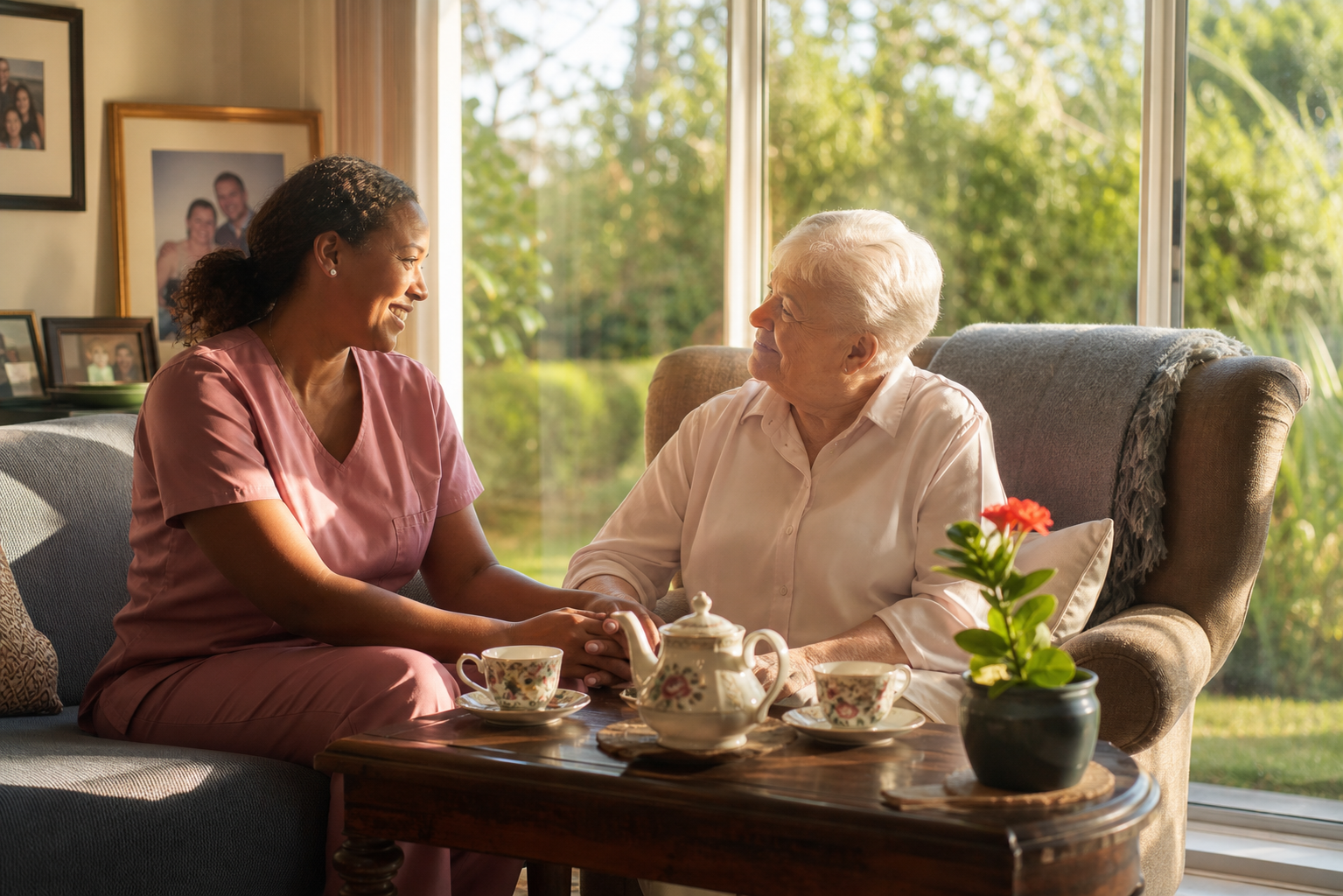
Personal care assistance preserves dignity and independence at home, transforming everyday moments into opportunities for connection and cherished living.
## Preserving Dignity Through Daily Living Support
Daily living support begins with a simple truth — every person deserves to be cherished, not just cared for. When personal assistance enters the home, it brings more than help with bathing, dressing, or meal preparation. It carries the weight of human dignity, honouring each senior as a full participant in their own life.
The moments that matter most are often the quietest. A carer's steady hand during a morning routine. Eye contact that says you are seen, you are valued. These shared moments become the foundation of care that respects individual autonomy while offering needed support.
On the KZN North Coast, where warm light fills home interiors and gardens invite afternoon tea, dignity-focused support means meeting seniors where they are. It means adapting to their pace, their preferences, their lifelong routines. Personal care assistance, done well, never diminishes. It elevates everyday life.
## How Personalised Care Plans Honour Individual Routines
No two lives follow the same rhythm. Personalised care plans recognise this fundamental truth, building support around the individual rather than fitting the person into a predetermined system.
A tailored care plan begins with listening. What time does morning begin? Is tea taken in the garden or at the kitchen table? Which tasks feel most vulnerable, and where does independence still flourish? These details shape care that feels less like intervention and more like companionship.
Family input anchors these plans to reality. Adult children who know their parents' history, medical needs, and cherished routines collaborate with carers to create continuity. The result is support that aligns with a lifetime of habits, preserving the familiar even as needs change. In Ballito and across the North Coast, this approach ensures seniors age in place with their identity intact.
## The Role of Companionship in Emotional Wellbeing
Loneliness weighs heavy. For seniors living at home, isolation can erode wellbeing as surely as any physical ailment. Companionship — consistent, genuine, warm — becomes not a luxury but a necessity.
A carer who returns each week becomes more than assistance. They become a familiar voice, a listening presence, someone who remembers yesterday's story and asks about tomorrow's plans. These relationships reduce anxiety, lift mood, and anchor seniors to community and connection.
Emotional support shows up in everyday life. Shared conversation over tea. A walk through the garden. Sitting together in natural light, simply being present. These moments may seem small, but they carry profound weight. They remind seniors that they remain valued members of their families and their North Coast community, cherished for who they are.
## Supporting Family Caregivers Through Respite Care
Family caregivers carry love and exhaustion in equal measure. The commitment to care for an ageing parent or partner is deep, but it exacts a toll. Respite care offers not escape, but necessary reprieve — space to rest, recharge, and return with renewed capacity.
When professional carers step in for scheduled breaks, they provide more than supervision. They maintain the continuity of personalised care plans, ensuring that routines remain stable even as the primary caregiver steps away. This consistency protects both the senior's wellbeing and the family's peace of mind.
Respite support sustains family relationships. It prevents burnout, reduces caregiver stress, and preserves the quality of care over the long term. Knowing that a trusted carer will arrive, that dignity will be maintained, that their loved one will be cherished — this knowledge allows family caregivers to care for themselves without guilt.
## Ageing in Place with Safety and Independence
Home means memory, familiarity, comfort. For most seniors, the desire to remain in their own home is not stubbornness but a fundamental need for continuity and control. Ageing in place becomes possible when personal care assistance balances safety with autonomy.
Professional support reduces fall risk, monitors health changes, and ensures that daily tasks are completed safely. Carers trained in mobility assistance and age-related conditions bring vigilance without intrusion, allowing seniors to maintain routines while managing chronic illness or physical limitations.
Independence and support are not opposites. They coexist in a well-designed care plan that respects what a senior can do while providing help where needed. On the KZN North Coast, where community ties run deep and home holds particular meaning, this approach allows seniors to remain rooted in place and identity. Personal care assistance becomes the bridge — preserving both safety and the cherished life each person has built.
[← Back to all resources](https://www.kincare.co.za/blog)
Ready when you are
## Ready to discuss your loved one's care?
Book a free, no-obligation care assessment. We'll visit your home, understand your needs, and create a personalised care plan.
[Book a Free Assessment](https://www.kincare.co.za/contact) [Chat on WhatsApp](https://wa.me/27824531272)

Compassionate in-home elder care in Ballito and the KZN North Coast. Helping your loved ones live with dignity, comfort and independence — at home.
##### Quick Links
- [About](https://www.kincare.co.za/about)
- [Services](https://www.kincare.co.za/services)
- [Resources](https://www.kincare.co.za/blog)
- [Contact](https://www.kincare.co.za/contact)
##### Our Services
- [Skilled Nursing](https://www.kincare.co.za/skilled-nursing-care-at-home-compassionate-elder-support-kincare)
- [Dementia Care](https://www.kincare.co.za/dementia-care-at-home-specialised-support-in-ballito-kincare)
- [Companion Care](https://www.kincare.co.za/companion-personal-care-services-kincare)
- [Respite Care](https://www.kincare.co.za/respite-care-services-support-for-caregivers-kincare)
- [Palliative Care](https://www.kincare.co.za/palliative-care-at-home-compassionate-support-for-families-kincare)
##### Get in Touch
- [082 453 1272](tel:+27824531272)
- [sharon@kincare.co.za](mailto:sharon@kincare.co.za)
- [WhatsApp Us](https://wa.me/27824531272)
- [Facebook](https://www.facebook.com/people/KinCare/61579284402781/)
- Ballito, KwaZulu-Natal, South Africa
© 2026 KinCare Senior Support. All rights reserved. Proudly South African 🇿🇦
```json
{
"@context" : "https://schema.org",
"@id" : "https://www.kincare.co.za/#organization",
"@type" : "Organization",
"email" : "sharon@kincare.co.za",
"image" : "//146011099.fs1.hubspotusercontent-eu1.net/hubfs/146011099/raw_assets/public/kincare-theme/images/hero-caregiver.jpg",
"logo" : "//146011099.fs1.hubspotusercontent-eu1.net/hubfs/146011099/raw_assets/public/kincare-theme/images/logo-full.png",
"name" : "KinCare Senior Support",
"sameAs" : [ "https://www.facebook.com/people/KinCare/61579284402781/", "https://wa.me/27824531272" ],
"telephone" : "+27824531272",
"url" : "https://www.kincare.co.za/"
}
```
```json
{
"@context" : "https://schema.org",
"@id" : "https://www.kincare.co.za/#website",
"@type" : "WebSite",
"inLanguage" : "en-ZA",
"name" : "KinCare Senior Support",
"publisher" : {
"@id" : "https://www.kincare.co.za/#organization"
},
"url" : "https://www.kincare.co.za/"
}
```
```json
{
"@context" : "https://schema.org",
"@id" : "https://www.kincare.co.za/#localbusiness",
"@type" : "LocalBusiness",
"address" : {
"@type" : "PostalAddress",
"addressCountry" : "ZA",
"addressLocality" : "Ballito",
"addressRegion" : "KwaZulu-Natal"
},
"areaServed" : [ "Ballito", "Umhlanga", "Salt Rock", "Zimbali", "Sheffield Beach", "Dolphin Coast", "Tongaat", "Shakaskraal", "La Mercy", "Westbrook" ],
"currenciesAccepted" : "ZAR",
"description" : "Compassionate, professional in-home elder care across Ballito and the KZN North Coast — skilled nursing, dementia care, companion care, respite, palliative and post-hospital support.",
"email" : "sharon@kincare.co.za",
"geo" : {
"@type" : "GeoCoordinates",
"latitude" : -29.5387,
"longitude" : 31.2144
},
"image" : "//146011099.fs1.hubspotusercontent-eu1.net/hubfs/146011099/raw_assets/public/kincare-theme/images/hero-caregiver.jpg",
"logo" : "//146011099.fs1.hubspotusercontent-eu1.net/hubfs/146011099/raw_assets/public/kincare-theme/images/logo-full.png",
"name" : "KinCare Senior Support",
"openingHoursSpecification" : [ {
"@type" : "OpeningHoursSpecification",
"closes" : "18:00",
"dayOfWeek" : [ "Monday", "Tuesday", "Wednesday", "Thursday", "Friday", "Saturday", "Sunday" ],
"opens" : "07:00"
} ],
"priceRange" : "$$",
"sameAs" : [ "https://www.facebook.com/people/KinCare/61579284402781/", "https://wa.me/27824531272" ],
"telephone" : "+27824531272",
"url" : "https://www.kincare.co.za/"
}
```
```json
{
"@context" : "https://schema.org",
"@type" : "BlogPosting",
"author" : {
"@type" : "Person",
"name" : "Sharon"
},
"datePublished" : "2026-06-25",
"headline" : "<span id="hs_cos_wrapper_name" class="hs_cos_wrapper hs_cos_wrapper_meta_field hs_cos_wrapper_type_text" style="" data-hs-cos-general-type="meta_field" data-hs-cos-type="text" >The Importance of Personal Care Assistance in Daily Living</span>",
"image" : "https://146011099.fs1.hubspotusercontent-eu1.net/hubfs/146011099/AI-Generated%20Media/Images/Nursing%20Care%20in%20Cozy%20KZN%20Living%20Room.png",
"mainEntityOfPage" : "https://www.kincare.co.za/blog/the-importance-of-personal-care-assistance-in-daily-living",
"publisher" : {
"@type" : "Organization",
"logo" : {
"@type" : "ImageObject",
"url" : "//146011099.fs1.hubspotusercontent-eu1.net/hubfs/146011099/raw_assets/public/kincare-theme/images/logo-full.png"
},
"name" : "KinCare Senior Support"
}
}
```
```json
{
"@context" : "https://schema.org",
"@type" : "BlogPosting",
"author" : {
"@type" : "Person",
"name" : "Sharon",
"url" : "https://www.kincare.co.za/blog/author/sharon"
},
"dateModified" : "2026-06-25T09:31:57.026Z",
"datePublished" : "2026-06-25T09:31:57.000Z",
"headline" : "The Importance of Personal Care Assistance in Daily Living",
"image" : [ "https://www.kincare.co.za/hubfs/AI-Generated%20Media/Images/Nursing%20Care%20in%20Cozy%20KZN%20Living%20Room.png" ],
"mainEntityOfPage" : {
"@id" : "https://www.kincare.co.za/blog/the-importance-of-personal-care-assistance-in-daily-living",
"@type" : "WebPage"
},
"publisher" : {
"@type" : "Organization",
"logo" : {
"@type" : "ImageObject",
"url" : "https://www.kincare.co.za/hubfs/image%201.svg"
},
"name" : "KinCare"
}
}
```